Flying With Pets: TSA Rules And Preparation Guide
Author:Arooba
Released:November 17, 2025
This year at LAX, a woman got turned away at security. Her dog's health certificate was dated 11 days ago, not 10. The $500 ticket? Gone. The pet fee? Non- refundable. She missed her sister's wedding.
Airline pet policies 2025 don't mess around anymore. One tiny mistake, wrong carrier size, expired paperwork, sedated animal, and the whole trip falls apart.
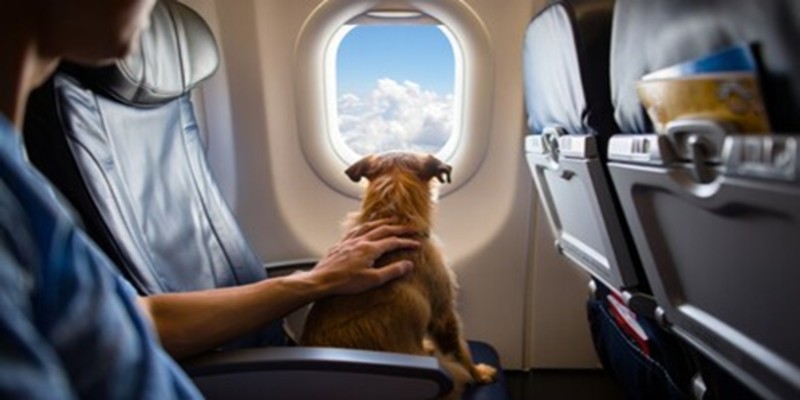
Here's how to actually get through the airport when flying with pets.
TSA Security Checkpoint Reality
The carrier goes through X-ray. The pet goes through the metal detector. Sounds easy until a cat decides it's done cooperating.
Bring a leash. Even for cats. TSA officers won't let anyone through without one. Last month, a Siamese escaped in Terminal 3 at O'Hare. Took the airport staff 40 minutes to catch it. The flight left without them.
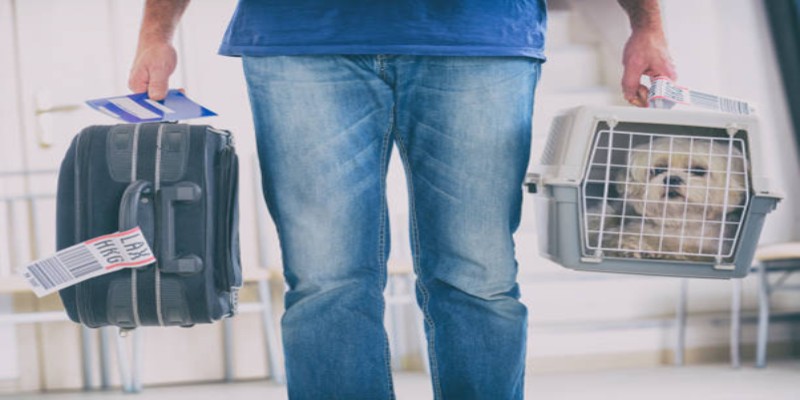
Pet in cabin travel requires carriers under 18" x 11" x 11". Gate agents measure these now, especially on Southwest and Delta. Slightly too big? Back to ticketing to check it as baggage for an extra $200.
Show up 2.5 hours early minimum. TSA might flag the carrier for extra screening. They'll ask to open it and look inside while the animal stays leashed. Adds 15-20 minutes when lines are busy.
Paperwork That Gets People Denied Boarding
Health certificate from a vet. Dated within 10 days of the flight for domestic travel. Seven days for United and some American Airlines flights. The certificate needs rabies vaccine proof, a vet signature, and the license number.
Expires on day 11. Not negotiable. Gate agents check dates religiously since the new policies started in late 2024.
International trips? The USDA needs to endorse the health certificate first, which takes 2-3 business days. Countries like Japan want blood tests done six months early. Australia requires quarantine regardless of paperwork. Lists every country's requirements.
Print physical copies. Gate agents don't trust phone screens. A dead phone battery has stranded more pets than anyone admits.
Cabin or Cargo: Real Talk
Animals under 20 pounds fit in cabin carriers. They go under the seat where a backpack normally sits. The pet stays inside the whole flight, no holding them during takeoff or when it gets bumpy.
Checked pet baggage means the cargo hold. Bigger dogs that won't squeeze into cabin carriers go down below in hard plastic kennels. The space is pressurized and heated, but baggage handlers throw those kennels around like regular luggage.
Temperature swings on the tarmac stress animals hard.
Flat-faced breeds can't fly cargo anymore. Pugs, Bulldogs, Shih Tzus, Persian cats, their breathing problems get dangerous at altitude. United banned them completely. Delta won't take them in the summer. Americans restrict them year-round.
What Different Airlines Actually Charge
Delta wants $95 for a domestic pet in cabin travel, $200 international.
American charges $150 both ways.
United and Southwest charge $125 for domestic flights.
None of these guarantees space; flights cap out at 4-6 pets in the cabin.
Can't book pets online. Phone calls only. Holiday travel? Those spots disappear three weeks out. Spring break and summer get just as bad.
Spirit allows pets on select routes for $125 but has tighter size limits than major carriers. Frontier's rules change based on which plane is flying that day. Allegiant takes service animals only; regular pets aren't allowed at all.
Here's something nobody mentions: Southwest doesn't charge change fees. If plans flip, rebook without penalty. Still owe the $125 pet fee, though.
The Sedative Problem Nobody Talks About
Vets stopped prescribing pet travel sedatives around 2022. The American Veterinary Medical Association says they're dangerous when cabin pressure changes. Sedation slows breathing and heart rate at the worst possible time.
Gate agents deny boarding to visibly drowsy animals now. Happened to a guy at DFW last month; his Labrador was too sleepy to stand. The agent sent him home. Lost the ticket cost, pet fee, everything.
Crate training works better anyway. Takes three weeks but costs nothing. Feed the dog in the carrier. Leave treats inside. Toss in a worn hoodie. The pet learns it's a safe space, not a prison.
Pheromone sprays like Adaptil or Feliway calm anxiety without health risks. Pick them up at PetSmart or order from Chewy.
Getting Through the Airport Without Drama
Feed a small meal six hours before the flight. Full stomachs lead to vomiting and accidents mid-flight. Keep water available, though; dehydration hits harder than a bathroom emergency.
Freeze water in the carrier bowl. TSA allows ice through security. It melts slowly and doesn't splash everywhere immediately.
Line the carrier with puppy pads. Anxious animals have accidents. Pack extras with paper towels and trash bags. Airports added pet relief areas past security, and green paw prints mark them on terminal maps.
Leash the pet before cracking the carrier open at TSA. Half the escape attempts happen right there when animals panic in the noise and crowds.
Booking Smart
Direct flights are only available when flying with pets. Connections double the stress, more takeoffs, more landings, more hours trapped in a carrier. Need a connection? Pick the longest layover possible. Tight turnarounds fail constantly.
Early flights before 8 AM have smaller crowds and faster security lines. Late evening flights work too. Skip midday departures when airports turn into chaos.
Temperature kills checked pet baggage plans. Airlines' ground cargo transport above 85°F or below 45°F. Phoenix in July won't work. Minneapolis in January, either. The weather at both airports matters.
What Goes in the Carrier
One soft toy, nothing that squeaks. Fabric or rubber only. A blanket that smells like home helps with nerves.
Tape contact info to the carrier exterior. Keep a current pet photo on a phone. Animals escape sometimes. That photo goes to airport security the second it happens.
Check microchip registration. Does it list current phone numbers? The destination address? Home address doesn't help when the pet gets lost halfway across the country.
Skip food during the flight. Bring training treats, such as small chicken pieces or cheese cubes, which work great for rewards.
Last Checks Before Departure
Call the hotel directly about pet policies. Booking sites lie constantly. "Pet-friendly" might mean dogs only, or nothing over 25 pounds, or ground-floor rooms with a $150 cleaning fee nobody mentioned.
Book the vet appointment 6-7 days out. Earlier, the certificate expires. Later, and there's no buffer if something needs treatment first.
Measure the carrier against airline specs from their website. Airline-approved" labels on Amazon mean nothing; carriers sold as compliant get rejected at gates regularly.
Ready to go? Start that crate training tonight. Call the airline tomorrow for a pet spot. Book the vet. Flying with pets beats leaving them behind, but only when the prep gets done right.
Related Posts
7 Simple Ways to Help Your Dog Stay Cool in Hot Weather

Cat Body Language Guide: Read Your Cat Like A Pro

Why Dogs Get Hot Spots and What Pet Owners Should Know

Nutrition Plans for Overweight Cats: Diet and Exercise Tips
Stop the Mats! Brushing Schedules Every Long-Haired Dog Needs